
Aviation Liability Insurance for Airport and Ground Handling Operators
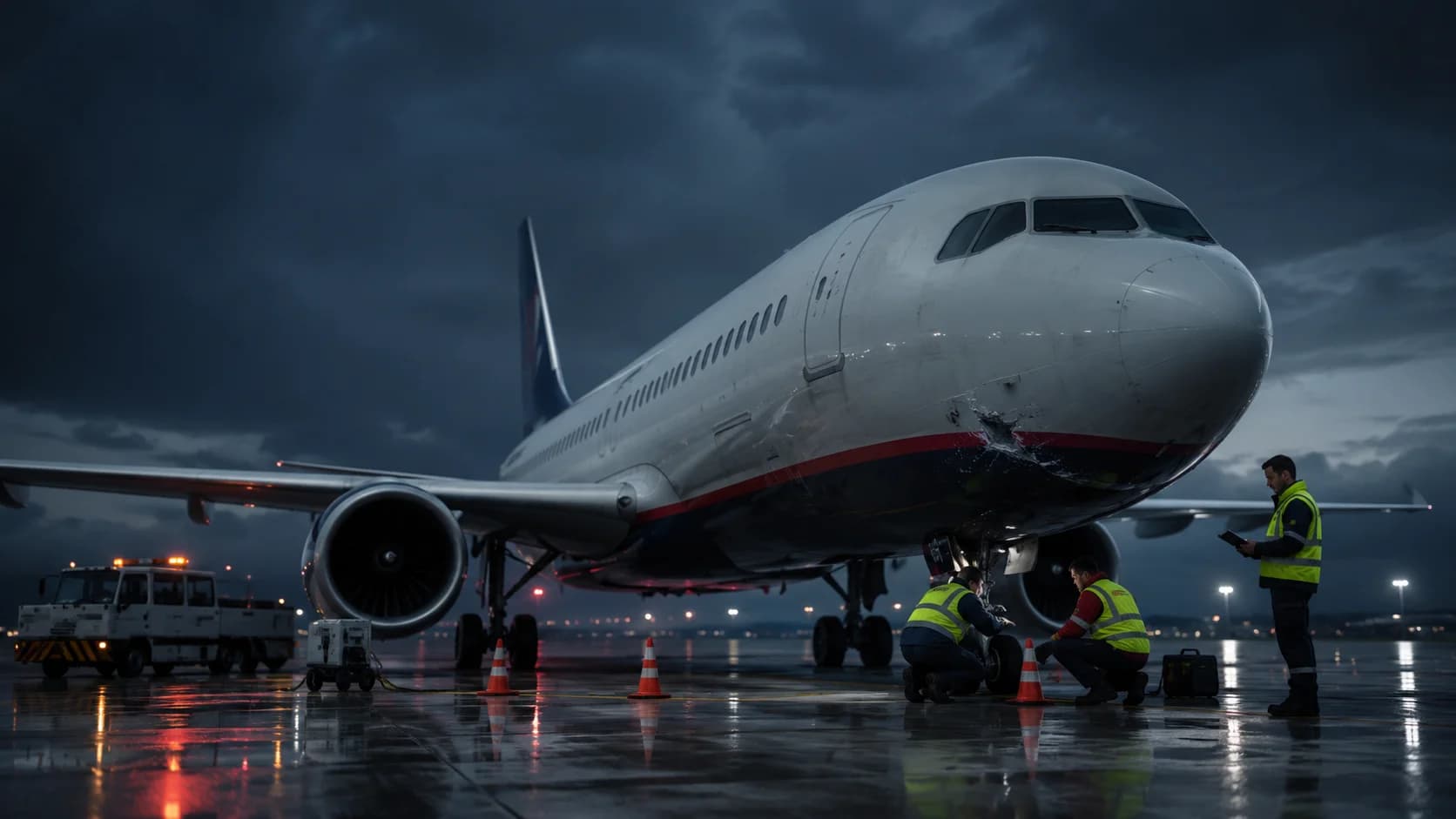
Aviation liability insurance for airport and ground handling operators is designed to manage the financial consequences of bodily injury, property damage and aircraft damage arising from apron, terminal and airside operations. Apron accidents, pushback incidents, aircraft fuelling, baggage and cargo handling, damage to airport facilities and third-party claims are among the principal exposures requiring specialist insurance assessment.

Zekeriya Dur, (Insurer In Sky)
Assessment and the right guidance in aviation insurance.
In this articleOpenClose
What is aviation liability insurance for airport and ground handling operators?
Aviation liability insurance for airport and ground handling operators is a specialist insurance structure designed to cover certain legal liabilities arising from airport, terminal, apron and airside operations.
Unlike conventional commercial general liability insurance, airport-related aviation liability involves highly technical activities performed in close proximity to aircraft, passengers, employees, airport infrastructure and specialised ground support equipment.
The relevant exposures may arise from:
Aircraft parking and stand allocation
Pushback and towing operations
Passenger boarding and disembarkation
Baggage and cargo handling
Aircraft fuelling
Use of passenger stairs, loading bridges and service vehicles
Ramp vehicle movements
Foreign object debris, commonly known as FOD
Terminal operations
Damage to aircraft, airport facilities or third-party property
For this reason, aviation liability protection is rarely limited to a single standard policy. The insurance programme should be structured according to the operator’s licensed activities, contractual responsibilities, locations, equipment and operational volume.
Why is specialist liability insurance essential?
Airport and ground handling operations involve a low tolerance for error and a potentially high financial severity.
A relatively minor contact between a ground support vehicle and an aircraft may result in:
Expensive aircraft repairs
Aircraft-on-ground costs
Flight cancellations or delays
Loss-of-use claims
Passenger disruption
Contractual disputes
Damage to airport infrastructure
Third-party bodily injury claims
Reputational damage
The value of the damaged aircraft may significantly exceed the value of the ground handling equipment that caused the incident.
Similarly, an incident involving fuelling, baggage loading or pushback may affect several parties simultaneously, including:
The aircraft owner
The aircraft operator
The airline
The airport operator
The ground handling company
A subcontractor
Passengers
Employees
Cargo owners
Airport tenants
A specialist aviation liability policy therefore protects more than the physical operation. It supports the financial continuity of the organisation when its activities give rise to legal liability.
Which businesses may require this insurance?
This insurance is particularly relevant to:
Airport operators
Terminal operators
Ground handling companies
Ramp service providers
Passenger handling companies
Baggage handling operators
Cargo and mail handling companies
Flight operations service providers
Catering service providers
Aircraft fuelling companies
Representation, supervision and management service providers
Subcontractors operating vehicles or equipment on the airside
Under Türkiye’s Ground Handling Services Regulation, commonly referred to as SHY-22, ground handling services are divided into several categories, including:
Representation
Passenger services
Load control and communications
Ramp services
Cargo and mail
Aircraft line maintenance
Flight operations
Transportation
Catering services
Supervision and management
Aircraft private security services and inspection
The insurance assessment should therefore identify the exact activities performed by the organisation. A company providing only passenger services does not present the same risk profile as an operator conducting pushback, towing, fuelling or heavy cargo loading.
Is liability insurance mandatory in Türkiye?
For certain ground handling and terminal operations, liability insurance is a regulatory requirement.
Under Article 19 of SHY-22, ground handling organisations, including subcontractors using vehicles and equipment within runway, apron and taxiway areas, must maintain liability insurance for losses they may cause through their services to:
Airport facilities
Aircraft
Service vehicles
Tools and equipment
Third parties
The minimum limit per occurrence is determined by the airport operator by considering:
The nature of the service
The volume of activity
Applicable international standards
The minimum insurance amount must also be reviewed by the airport operator each year.
Terminal operators are subject to a separate requirement under SHY-33B. A person or legal entity intending to operate an airport terminal must maintain third-party liability insurance and submit the relevant policy during the licensing process.
Where the terminal operator’s policy does not cover every business operating within the terminal, businesses falling outside the policy scope may need to arrange their own third-party liability insurance.
Insurance should therefore be treated as both:
A regulatory and licensing requirement
A contractual and operational risk-management requirement
The applicable requirement should be reviewed according to the organisation’s licence, location, activities and contractual arrangements.
What can aviation liability insurance cover?
The precise scope is determined by the policy schedule, wording, endorsements, exclusions and applicable limits. However, the principal areas may include the following.
Third-party bodily injury and property damage
This section may respond when airport or ground handling operations cause bodily injury to another person or physical damage to third-party property.
Examples may include:
An apron vehicle striking a person
Ground support equipment damaging a third-party vehicle
A passenger sustaining injury during boarding or disembarkation
Unsecured equipment moving due to jet blast
Damage to a building, barrier or service installation
An operational error causing injury to a contractor or visitor
A claim is not automatically payable merely because an incident occurred. The insured’s legal liability and the policy terms must also be considered.
Damage to airport premises and facilities
Airport infrastructure can be damaged during routine operations.
Affected property may include:
Passenger boarding bridges
Aircraft stands
Apron surfaces
Lighting systems
Signs and markings
Terminal structures
Gates and barriers
Service roads
Fixed ground equipment
Utility installations
SHY-22 expressly includes damage caused to airport facilities within the liability insurance requirement applicable to relevant ground handling organisations.
The policy should clearly state whether damage to property belonging to the airport operator is covered and whether any custody, control or contractual liability exclusions apply.
Damage to aircraft under servicing
Damage to aircraft is one of the most significant exposures faced by ground handling operators.
An aircraft may be damaged by:
Pushback tractors
Towbars or towbarless tractors
Passenger stairs
Belt loaders
High loaders
Ground power units
Catering trucks
Fuel vehicles
Baggage carts
Passenger boarding bridges
Maintenance or service equipment
Aircraft damage may affect:
The fuselage
Doors and access panels
Wings and wing tips
Engines
Landing gear
Cargo holds
Sensors and pitot systems
Control surfaces
A standard commercial liability policy may contain aviation-related exclusions or insufficient limits. Damage to aircraft being serviced, handled, towed or otherwise under the operator’s care should therefore be addressed explicitly.
Damage arising from pushback and towing operations
Pushback and towing are among the most technically sensitive ground handling activities.
Potential incidents include:
Towbar failure
Incorrect attachment
Pushback tractor contact with the aircraft
Wing-tip collision
Contact with another aircraft, vehicle or fixed object
Incorrect release or disconnection
Brake coordination failure
Damage caused while positioning or repositioning the aircraft
The insurance policy should confirm whether towing and pushback activities are included and identify any specific conditions relating to:
Approved equipment
Authorised personnel
Training requirements
Aircraft types
Operational procedures
Applicable deductibles
Baggage, cargo and mail operations
Baggage and cargo handling can lead to liability for more than lost or damaged goods.
Operational incidents may involve:
Damage to the aircraft cargo hold
Damage caused by a high loader or belt loader
Dropped cargo
Incorrect loading
Loading beyond equipment capacity
Damage to airport equipment
Injury to personnel or third parties
Incorrect transfer or delivery
The policy should distinguish between:
Liability for physical damage to baggage or cargo
Damage caused to the aircraft during handling
Pure financial loss arising from delay or misdelivery
Liability assumed under contracts with airlines or cargo owners
Not all of these exposures are automatically covered under the same policy section.
Aircraft fuelling liability
Aircraft fuelling creates a combination of fire, explosion, pollution and aircraft damage exposures.
Potential incidents include:
Fuel spills
Incorrect fuelling
Contaminated fuel
Damage caused by fuelling vehicles or hoses
Fire or explosion
Damage to the aircraft or apron surface
Environmental clean-up costs
Temporary closure of an operational area
Third-party bodily injury
SHGM’s airport operational guidance emphasises key safety measures during aircraft fuelling, including:
Preventing smoking and open flames
Maintaining a clear emergency exit route
Applying correct bonding and grounding procedures
Keeping suitable fire extinguishers available
Immediately reporting fuel spills
Establishing detailed spill response procedures
The policy should be reviewed carefully for pollution exclusions. Sudden and accidental pollution may be treated differently from gradual pollution, historical contamination or long-term environmental damage.
Terminal operators’ liability
Terminal operations create both aviation-related and general public liability exposures.
Claims may arise from:
Slips, trips and falls
Defective flooring
Inadequate signs or passenger guidance
Escalator or lift incidents
Congested passenger flows
Equipment malfunction
Failure to maintain facilities safely
Damage caused to passengers’ property
Incidents involving terminal contractors or tenants
Terminal operators should determine whether their policy covers:
All terminal areas
Common-use areas
Tenants and concessionaires
Contractors
Public circulation areas
Passenger service facilities
Where certain businesses are not covered by the terminal operator’s policy, their own liability arrangements may be required.
Apron vehicle liability
Apron operations involve a wide range of specialised vehicles and mobile equipment operating in a congested environment.
Examples include:
Pushback tractors
Apron buses
Baggage tractors
Catering vehicles
High loaders
Belt loaders
Ground power units
Passenger stairs
Fuel trucks
Maintenance vehicles
Road motor liability insurance may not provide adequate protection for all incidents occurring on the airside or involving aircraft.
The insurance programme should therefore clarify:
Which vehicles are insured
Whether vehicle liability and aviation liability overlap
Whether aircraft damage caused by a vehicle is covered
Whether unregistered specialised equipment is included
Whether subcontractor-operated vehicles are covered
Which policy responds first when several policies apply
FOD-related damage
Foreign object debris can damage aircraft engines, tyres, landing gear and other components.
Potential sources include:
Loose equipment
Tools
Baggage tags
Packaging materials
Stones or surface debris
Vehicle parts
Unsecured waste
SHGM’s apron safety guidance highlights the importance of regularly cleaning apron and taxiway areas to minimise foreign object damage.
The allocation of liability may depend on:
Where the debris originated
Which organisation controlled the area
Which party was responsible for inspection
Whether cleaning procedures were followed
Whether the debris was caused by a vehicle, contractor or aircraft operation
Contractual liability
Airport and ground handling services are generally performed under detailed service agreements.
These agreements may contain:
Indemnity obligations
Liability limitations
Waivers
Insurance requirements
Additional insured requirements
Claims notification obligations
Defence and settlement provisions
Subcontractor liability clauses
A contract may impose obligations that exceed the liability the organisation would otherwise have under general law.
The insurance policy and operational contracts should therefore be reviewed together. A contractual indemnity is not automatically covered merely because the organisation has liability insurance.
Subcontractor liability
Ground handling operators frequently use subcontractors for:
Transportation
Equipment maintenance
Cleaning
Security support
Cargo handling
Technical services
Labour supply
The use of a subcontractor does not necessarily eliminate the principal contractor’s legal or contractual exposure.
The policy should clarify:
Whether subcontractors are insured
Whether they are treated as additional insureds
Whether the principal remains liable for their activities
Whether the insurer has recovery rights against them
Whether subcontractors must maintain separate insurance
What evidence of insurance must be obtained
SHY-22 expressly includes subcontractors using vehicles and equipment in relevant airside areas within the applicable insurance obligation.
Realistic airport and ground handling loss scenarios
Scenario 1: Passenger stairs strike the aircraft
A mobile passenger staircase is positioned incorrectly and damages the aircraft door surround.
Potential consequences include:
Aircraft repair costs
Aircraft-on-ground expenses
Flight delay or cancellation
Loss-of-use claims
Passenger disruption
Airline contractual claims
The claim may involve aircraft damage liability, contractual liability and consequential loss questions.
Scenario 2: Pushback tractor causes a collision
During pushback, the aircraft wing contacts a fixed structure or another vehicle.
The investigation may examine:
Pushback instructions
Communication between cockpit and ground crew
Training and authorisation records
Equipment condition
Marshalling support
CCTV footage
Weather and visibility
Stand layout
Compliance with operational procedures
Scenario 3: Fuel spill during aircraft refuelling
A hose connection fails and fuel is released onto the apron.
The resulting loss may include:
Emergency response costs
Clean-up expenses
Damage to the aircraft
Surface damage
Operational closure
Environmental claims
Third-party injury
Flight delay
Pollution and clean-up coverage must be examined separately from standard property damage liability.
Scenario 4: Belt loader damages an aircraft
A belt loader is raised beyond the appropriate height and contacts the cargo door or fuselage.
The claim may involve:
Aircraft repair
Equipment damage
Cargo delay
Operational interruption
Airline contractual claims
Deductible allocation
Scenario 5: FOD causes engine damage
An unsecured object is left on the apron and is ingested by an aircraft engine.
Determining liability may require reviewing:
Area inspection records
Cleaning procedures
Vehicle movements
Contractor activities
CCTV footage
Previous FOD reports
Responsibility for the relevant stand
Scenario 6: Passenger injury during apron transfer
A passenger is injured while walking between the terminal bus and the aircraft.
Potentially relevant issues include:
Passenger guidance
Lighting conditions
Apron surface
Jet blast exposure
Staff supervision
Vehicle positioning
Responsibility of the airline, handler or airport operator
Scenario 7: Incorrect baggage or cargo loading
Incorrect load placement contributes to aircraft damage or an operational event.
The investigation may involve:
Load control documents
Weight and balance records
Loading instructions
Personnel training
Communication records
Contractual responsibility between the carrier and handler
How are premiums and limits assessed?
Aviation liability insurance for airport and ground handling operators is not priced using a single standard tariff.
Insurers may consider:
Type of services provided
Number of airports served
Annual aircraft movements
Aircraft types handled
Largest aircraft regularly serviced
Passenger volume
Baggage and cargo tonnage
Fuelling activities
Pushback and towing operations
Ground support equipment fleet
Number of employees
Use of subcontractors
Previous claims
Safety management systems
Training and authorisation records
Contractual indemnities
Required liability limits
Deductible structure
Geographical scope
An operator handling a small number of general aviation aircraft does not present the same exposure as an organisation providing ramp and cargo services to wide-body commercial aircraft.
Limits should therefore reflect the maximum foreseeable loss rather than only the minimum regulatory requirement.
Which documents may be requested for underwriting?
The insurer or broker may request:
Ground handling or terminal operating licences
List of services provided
Airport locations
Airline and airport service agreements
Standard ground handling agreements
Annual aircraft movement figures
Passenger and cargo volumes
Equipment lists
Vehicle lists
Training records
Safety manuals
Standard operating procedures
Subcontractor agreements
Five-year claims history
Quality and safety certifications
Emergency response procedures
Requested limits and deductibles
Incomplete or generic descriptions may lead to an incorrectly structured policy.
The organisation should disclose its actual operations, including any occasional activities such as:
Pushback
Towing
De-icing
Fuelling
Aircraft cleaning
Cargo loading
Assistance to special-category aircraft
Operations at additional airports
What should be checked in the policy?
The policy should be reviewed beyond the premium amount.
Important questions include:
Which licensed activities are covered?
Which airports are included?
Is damage to aircraft under care, custody or control covered?
Are pushback and towing operations included?
Are terminal operations included?
Is damage to airport facilities covered?
Are specialised vehicles and ground support equipment addressed?
Are subcontractor activities included?
Does the policy cover passenger bodily injury?
Are baggage and cargo liabilities included?
Is contractual liability covered?
Are pollution and clean-up expenses covered?
Are defence costs inside or outside the liability limit?
Are airlines and airport operators required to be named as additional insureds?
What deductibles apply to aircraft damage?
Is there an annual aggregate limit?
Are pure financial losses excluded?
Are administrative fines and penalties excluded?
Is cyber or data liability included?
What notification obligations apply following an incident?
Common exclusions and coverage limitations
Depending on the policy wording, coverage may be restricted for:
Intentional acts
Unlicensed operations
Activities not declared to the insurer
Unauthorised or insufficiently trained personnel
Contractual liabilities not accepted by the insurer
Administrative fines and penalties
Gradual pollution
Known environmental contamination
Cyber incidents
Data breaches
Pure financial losses
Employee injury outside the applicable employer’s liability cover
Damage to the insured’s own equipment
Normal wear and tear
Mechanical breakdown
War, terrorism and confiscation risks
Operations outside the geographical scope
Failure to follow mandatory procedures
The existence of a liability policy does not mean that every operational or contractual loss is covered.
What should be done following an incident?
The first priority is to protect people and prevent further damage.
The operator should then:
Secure the incident area
Notify the airport authority and relevant operational units
Inform the airline or aircraft operator
Preserve CCTV and operational recordings
Photograph the aircraft, equipment and surrounding area
Record the date, time, location and weather conditions
Identify involved personnel and witnesses
Preserve shift rosters and task assignments
Secure vehicle and equipment records
Notify the insurer or broker without delay
Avoid admitting liability or agreeing compensation without authorisation
Depending on the incident, relevant documents may include:
Incident report
Airport authority report
Aircraft registration and flight details
Ground handling service agreement
Pushback or towing records
Load control documentation
Fuel records
Vehicle maintenance records
Staff training and authorisation documents
CCTV footage
Photographs
Repair estimates
Third-party claims
Witness statements
Damaged equipment, components or other evidence should not be disposed of before the insurer, surveyor or competent authority has had the opportunity to inspect them.
Conclusion
Aviation liability insurance for airport and ground handling operators is not merely a conventional business liability policy. It is a specialist risk-transfer mechanism designed around complex airport operations, high-value aircraft, technical equipment and multi-party contractual relationships.
Apron collisions, pushback errors, fuelling incidents, baggage and cargo damage, terminal accidents and damage to aircraft may create liabilities far beyond the value of the equipment involved.
An effective insurance programme should therefore be based on:
The organisation’s licensed activities
Actual operational processes
Aircraft types handled
Service locations
Passenger and cargo volumes
Contractual obligations
Subcontractor arrangements
Previous claims
Safety and training systems
Realistic maximum loss scenarios
The appropriate policy should comply with applicable regulatory requirements while also providing limits and extensions that reflect the operator’s actual exposure.
This article is provided for general information only. The precise scope of insurance should be assessed by reviewing the operator’s licences, contracts, operating procedures, policy schedule, wording, endorsements and applicable regulations.
Sources and References
Frequently Asked Questions
What does airport and ground handling liability insurance cover?
Is liability insurance mandatory for ground handling companies in Türkiye?
Is liability insurance mandatory for terminal operators?
Is aircraft damage during pushback covered?
Are fuelling incidents automatically covered?
Does the policy cover baggage and cargo losses?
Are subcontractors covered?
Is damage to an aircraft the same as ordinary third-party property damage?
Who determines the minimum insurance limit?
How should an operator select the right policy?
Author
Zekeriya Dur, (Insurer In Sky)
Assessment and the right guidance in aviation insurance.
Zekeriya Dur focuses on assessing aviation-specific insurance needs and providing the right guidance. Aviation insurance differs from standard products: aircraft type, use case, operations and routes all matter together. Pre-applications and questions submitted through this platform are reviewed by risk type and directed accordingly. Shared information is not a coverage guarantee or price quote; final assessment depends on the insurer’s policy terms.
Expert profile
Get specialist guidance for the right cover assessment
A pre-application does not create a policy or coverage guarantee; it starts an assessment and guidance process based on your risk profile.
This content is for information only and does not constitute legal or financial advice. You can request an assessment via the pre-application or ask a question pages.